
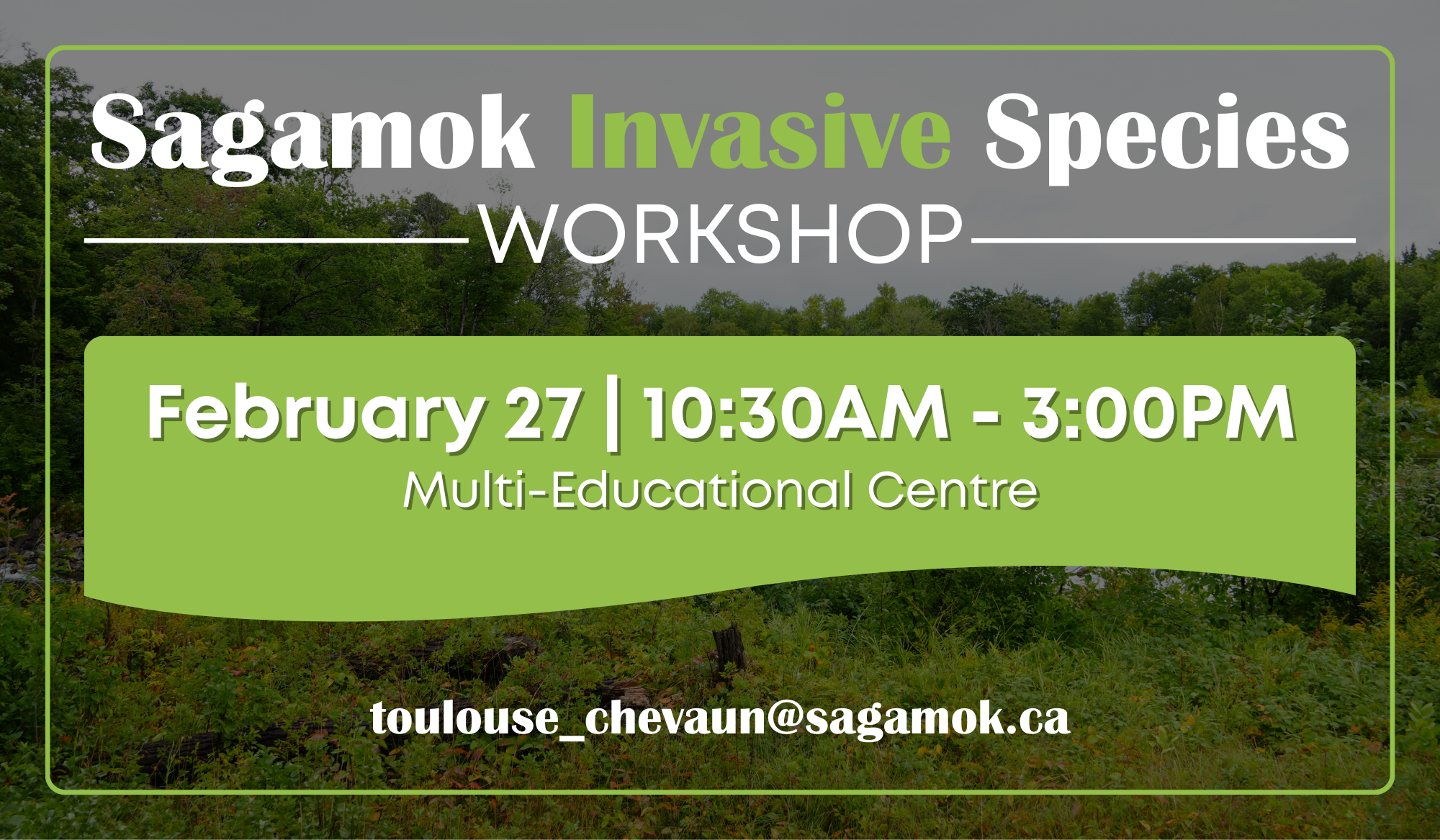
Supporting Invasive Species Awareness Week (ISAW) 2026, taking place Feb 23 – Mar 1!
Invasive species are non-native organisms—plants, animals, fungi, or bacteria—that spread rapidly and cause significant harm to ecosystems, human health, or the economy. By outcompeting, preying on, or spreading diseases to native species, they threaten biodiversity, costing billions annually in damage and control. Common examples include zebra mussels, phragmites, and purple loosestrife.
Key Characteristics and Impacts
- Rapid Reproduction: They adapt easily to new environments and lack natural predators, allowing them to take over.
- Ecological Harm: They alter habitats, disrupt food webs, and cause 42% of threatened or endangered species to be at risk
- Economic Impact: They damage agriculture, forestry, fisheries, and infrastructure, such as clogging water pipes.
- Methods of Introduction: Often introduced via human activity, including shipping (ballast water), international trade, and the pet/aquarium trade.
Prevention and Control
Controlling invasive species requires persistent management, such as physical removal or biological controls. Public awareness is crucial to stop their spread, including cleaning boats, not releasing exotic pets, and planting native species.
The goal of this week is to come together to increase awareness about the impacts of invasive species and how we can protect natural spaces.
Come on down to the MEC to learn about Invasive species in the community and what you can do to help!
📅 Friday, February 27, 2026
🕥 10:30AM – 3:00PM
📍 Multi-Educational Centre - Library
- Native wildflower seed giveaway!
- Native Bee houses giveaway!
- Invasive Species Resources giveaway!
- Free food!
Learn about our current Invasive Phragmites removal project and volunteer!
For more information, please reach out to Chevaun Toulouse at toulouse_chevaun@sagamok.ca.


